Frequently Asked Questions
The most-asked questions about american post-metal musical groups.
What exactly is American post-metal?
It is a genre that fuses the crushing weight of heavy metal with the dynamic, atmospheric songwriting of post-rock and post-hardcore. Bands typically build long, evolving tracks that swing between hushed, melodic passages and walls of distorted, sludgy riffs. The emphasis is on mood, texture, and narrative arc rather than speed or technical showmanship.
Which bands are most often cited as foundational to the scene?
Isis out of Chicago and Neurosis out of Oakland are widely regarded as the two pillars that defined the sound in the 2000s. Other frequently named cornerstones include Earth, Pelican, Deafheaven, Title Fight, and Russian Circles, each of which pushed the template in a distinct direction.
Where should a complete newcomer start listening?
A common on-ramp is Isis's 2009 record In the Absence of Truth for its accessible dynamics, or Neurosis's The Eye of Every Storm for a more progressive, spoken-word-tinged take. From there, fans often branch into Deafheaven's Sunbather for a blackgaze-tinged angle or Pelican's Aether for pure, crushing atmosphere.
What actually makes the sound feel different from other metal subgenres?
Instead of relying on constant aggression or shredding, post-metal bands treat quiet, clean-guitar sections as the emotional core and use the heavy parts as climactic releases. You will often hear piano, strings, or ambient textures woven in, and songs routinely run seven to twelve minutes to let those dynamics fully develop.
When and how did the genre emerge?
The term and the sound coalesced in the mid-to-late 1990s as post-hardcore groups in the Midwest and West Coast began borrowing the long-form structures of post-rock and the heaviness of sludge and doom. By the early 2000s, labels like Ipecac, Relapse, and Sumerian had given the style a recognizable identity and a dedicated audience.
Which cities or regions are most tightly linked to the American post-metal scene?
Chicago, San Francisco, New Orleans, and Oakland form a rough geographic spine, with each city producing a cluster of influential bands and venues. Philadelphia and Los Angeles also played significant roles, particularly in the 2005–2015 period when the genre saw its broadest commercial moment.
How does post-metal differ from post-hardcore and sludge metal, which it clearly borrows from?
Post-hardcore tends toward shorter, faster songs with shouted vocals and a punk urgency, while sludge metal keeps the heaviness constant and raw. Post-metal sits between them by stretching songs into slow, cinematic arcs and treating the heavy sections as one color in a broader palette rather than the entire canvas.
What are a few albums that fans treat as essential listening?
Isis's Oasis (2009), Neurosis's The Day the World Stopped (2012), Deafheaven's Sunbather (2013), and Pelican's Totalitas (2014) are names that come up in nearly every fan recommendation. Earth's Angst (2008) is also frequently mentioned as a raw, minimalist touchstone for the style.
What distinguishes the American flavor from European post-metal or post-black metal?
American post-metal tends to lean on a grittier, more grounded tone rooted in sludge and stoner traditions, with lyrics drawn from personal struggle, nature, or social commentary. European counterparts, particularly Scandinavian and French acts, often emphasize a colder, more ethereal or orchestral atmosphere, though the lines blur considerably.
What is the live experience like for a typical post-metal show?
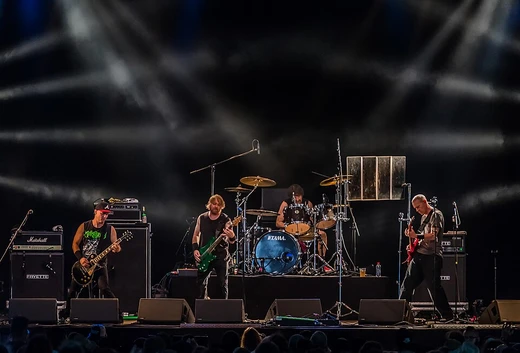
Expect long, immersive sets where the band builds tension over several minutes before unleashing a wall of sound, often with the audience standing still rather than moshing. The genre's dynamic range means a single song can feel like a quiet, almost acoustic moment followed by an ear-splitting climax, making the live setting particularly striking.